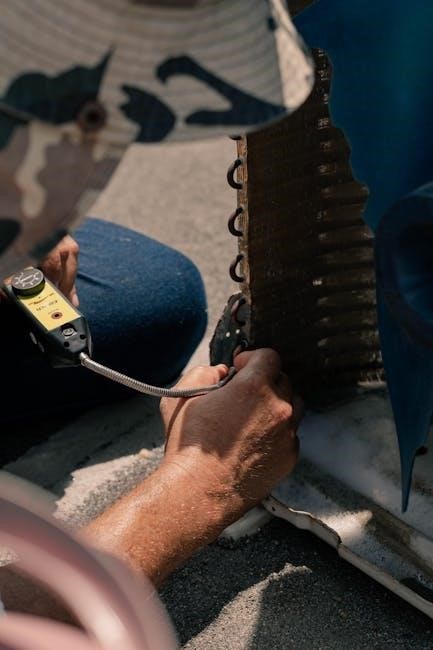
Portable air coolers offer a convenient cooling solution for individual rooms, bypassing the complexities of traditional window units.
These devices are increasingly popular due to their affordability and ease of use, requiring minimal installation and offering targeted comfort.
Understanding how these units function, and referencing your easy home portable air cooler manual, is key to maximizing their efficiency and enjoying a cooler indoor environment.
They provide a flexible alternative to central air conditioning, especially for those seeking localized cooling without extensive modifications to their living space.
Proper operation, guided by the manual, ensures optimal performance and longevity of your portable cooling appliance.
What is a Portable Air Cooler?
Portable air coolers, often referred to as evaporative coolers, represent a distinct cooling technology compared to traditional air conditioners. Unlike those units, they don’t utilize a refrigerant cycle. Instead, they leverage the natural cooling process of water evaporation.
Your easy home portable air cooler manual will detail how these units draw in warm air, pass it through a wet cooling pad, and then release cooler, humidified air back into the room. This process is most effective in drier climates.
They are self-contained units on wheels, designed for easy movement between rooms, offering a flexible cooling solution without the need for permanent installation. They typically require filling with water and plugging into a standard electrical outlet.
Benefits of Using a Portable Air Cooler
Portable air coolers offer numerous advantages, as outlined in your easy home portable air cooler manual. They are significantly more energy-efficient than traditional air conditioners, leading to lower electricity bills; Their portability allows for targeted cooling, focusing on occupied rooms and avoiding unnecessary energy waste.
Installation is remarkably simple – no window mounting or professional assistance is required. They are also generally more affordable to purchase than traditional AC units.
Furthermore, they add moisture to the air, which can be beneficial in dry climates, and are a quieter cooling option. They are an excellent choice for supplemental cooling or smaller spaces.
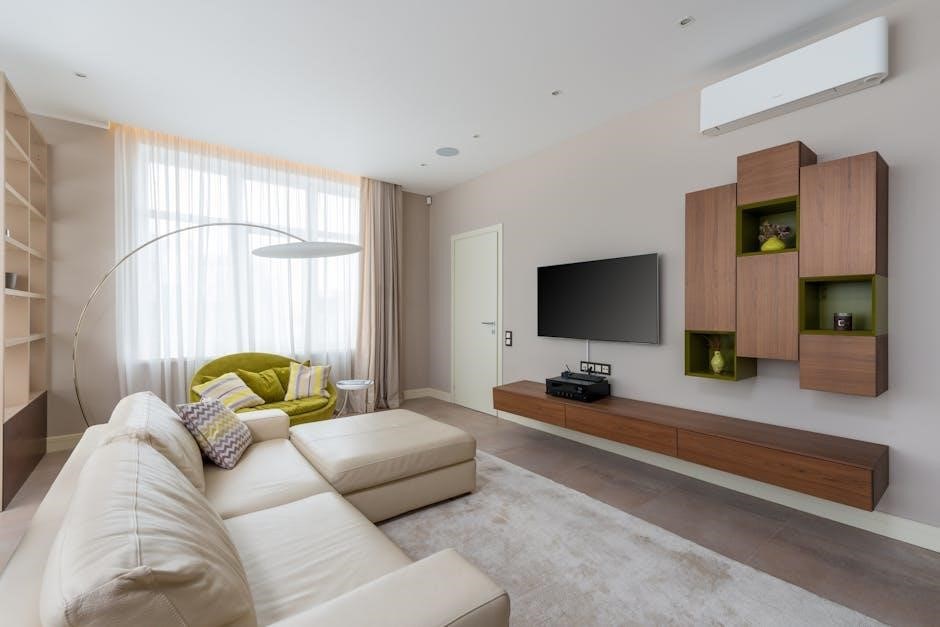
Understanding Your Portable Air Cooler Manual
Your easy home portable air cooler manual is crucial for safe and efficient operation. It details specific features, maintenance schedules, and troubleshooting steps for optimal performance.
Always consult it!
Importance of Reading the Manual
Ignoring your easy home portable air cooler manual can lead to improper usage and potentially void the warranty. The manual provides essential safety precautions, preventing electrical hazards and ensuring water safety within the unit.
It details specific instructions for your model, avoiding guesswork that could damage components or reduce cooling efficiency.
Understanding the manual’s troubleshooting section can resolve common issues like ice formation or inadequate cooling, potentially saving costly repairs.
Furthermore, it outlines proper maintenance procedures, such as filter cleaning and water tank care, extending the lifespan of your appliance and maintaining optimal air quality.
Familiarizing yourself with these guidelines guarantees a comfortable and trouble-free cooling experience.
Key Sections of the Manual
Your easy home portable air cooler manual typically begins with safety instructions, outlining electrical and operational hazards. Next, a component list details each part for easy identification during setup and maintenance.
Crucially, the operating instructions explain powering on, mode selection, fan speed control, and timer functions.
A dedicated troubleshooting section addresses common problems like insufficient cooling, ice buildup, or drainage issues, offering potential solutions.
Finally, the maintenance guide details filter cleaning, water tank care, and exterior cleaning procedures, ensuring optimal performance and longevity.
These sections are vital for maximizing your cooler’s efficiency and lifespan.
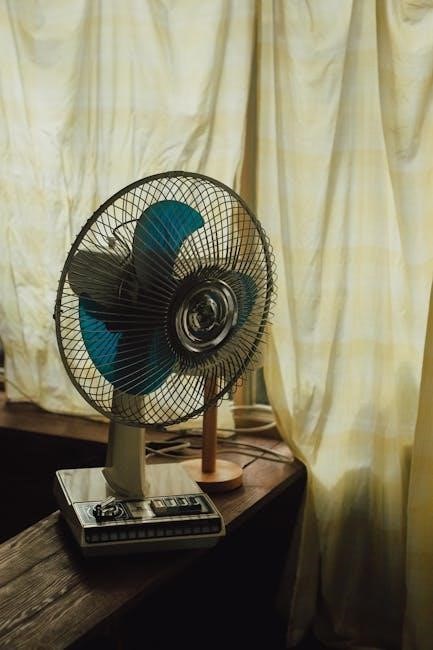
Setting Up Your Portable Air Cooler
Following your easy home portable air cooler manual, carefully unpack all components and verify everything is present.
Ensure proper ventilation by positioning the unit correctly and securely installing the exhaust hose for optimal cooling.
Finally, fill the water tank according to the manual’s instructions to activate the cooling function.
Unboxing and Component Check
Referencing your easy home portable air cooler manual, begin by carefully opening the box and laying out all included components on a protected surface.
Cross-reference the contents with the parts list detailed in the manual – typically this includes the air cooler unit itself, the exhaust hose, hose connectors, a window kit, the power cord, and potentially a remote control.
Inspect each item for any visible damage sustained during shipping.
Pay close attention to the exhaust hose and connectors, ensuring they are intact and free from cracks.
Verify the water tank is present and undamaged.
If anything is missing or damaged, immediately contact customer support, referencing your model number from the manual.
Proper Ventilation and Exhaust Hose Installation
As outlined in your easy home portable air cooler manual, proper ventilation is crucial for efficient operation. Single-hose units require exhausting hot air outside via the included hose and window kit.
Carefully install the window kit in a suitable window, ensuring a snug fit to prevent warm air from re-entering the room.
Connect one end of the exhaust hose to the unit and the other to the window kit adapter.
Avoid kinking or excessively bending the hose, as this restricts airflow.
Insulating the hose, as suggested by Reddit’s r/hvacadvice, can further improve efficiency.
Water Tank Filling and Maintenance
Your easy home portable air cooler manual details proper water tank procedures. Typically, fill the tank with cool, clean water – avoid hot water or adding ice directly, as this can damage the unit.
Regularly check the water level and refill as needed; Quora suggests emptying frequency depends on usage and humidity.
To prevent bacterial growth, clean the tank weekly with a mild detergent and rinse thoroughly.
Ensure the float valve is functioning correctly to prevent overfilling.
Always disconnect the unit before cleaning or maintenance.

Operating Your Portable Air Cooler
Your easy home portable air cooler manual guides operation, starting with power-on and mode selection (Cool, Fan, Dry).
Adjust fan speed for desired airflow and use temperature controls for optimal comfort.
Utilize the timer function for automated operation and energy savings.
Powering On and Selecting Modes
Refer to your easy home portable air cooler manual for specific instructions, but generally, powering on involves plugging the unit into a grounded outlet and pressing the power button.
Most models offer several modes: Cool utilizes refrigeration to lower air temperature, requiring water tank filling and condensate drainage.
Fan mode provides simple air circulation without cooling, ideal for ventilation. Dry or Dehumidify mode reduces moisture, often with a lower fan speed.
Select your desired mode using the control panel buttons, often indicated by icons. Some units feature an ‘Auto’ mode, adjusting settings based on room temperature. Always consult the manual for detailed mode descriptions and optimal usage.
Ensure the unit is stable and properly vented before activating any cooling mode.
Fan Speed and Temperature Control
Your easy home portable air cooler manual details fan speed adjustments, typically ranging from low to high, influencing airflow and energy consumption.
Lower speeds are quieter and conserve energy, while higher speeds provide more rapid cooling.
Temperature control allows setting a desired room temperature; the unit will cycle on and off to maintain it.
Some models offer a digital display for precise temperature settings, while others use a dial or buttons.
Experiment with different fan speeds and temperature settings to find the optimal balance between comfort and energy efficiency, always referencing the manual for guidance.
Using the Timer Function
Your easy home portable air cooler manual explains how to utilize the timer function for automated operation, enhancing convenience and energy savings.
Typically, you can set the timer to turn the unit on or off after a specified period, ranging from 30 minutes to several hours.
This feature is ideal for pre-cooling a room before you arrive or automatically shutting off the unit while you sleep.
The manual will detail the specific button combinations or menu options required to program the timer effectively.
Proper timer usage minimizes energy waste and ensures comfortable temperatures only when needed.
Troubleshooting Common Issues
Your easy home portable air cooler manual provides solutions for typical problems like insufficient cooling, ice buildup, or drainage concerns.
Refer to it first for diagnosing issues and attempting simple fixes before seeking professional assistance.
Understanding these common issues ensures efficient operation and extends the lifespan of your portable cooling unit.
Unit Not Cooling Effectively
According to your easy home portable air cooler manual, several factors can cause inadequate cooling. First, verify the filter is clean; a clogged filter restricts airflow, diminishing cooling capacity.
Next, ensure proper ventilation – the exhaust hose must be correctly installed and unblocked. Check for a significant temperature difference (15-25°F/8-14°C) between intake and exhaust air, as indicated in the manual.
Confirm the water tank is adequately filled, as water evaporation is crucial for cooling. If the radiator coils are frozen, the unit may shut down; allow the ice to melt. Finally, ensure the unit isn’t overwhelmed by excessive room heat or direct sunlight.
Ice Formation on Radiator Coils
Your easy home portable air cooler manual explains that ice buildup on the radiator coils typically indicates restricted airflow. This often happens when the filter is dirty, hindering proper air circulation.
Another cause is insufficient ventilation; ensure the exhaust hose isn’t kinked or blocked, allowing warm air to escape effectively.
The manual advises turning off the unit and allowing the ice to melt completely before restarting. Running the fan-only mode can accelerate this process. If the issue persists, consult the troubleshooting section of your manual.
Condensate/Drainage Problems
Your easy home portable air cooler manual details condensate buildup as a common issue. Many models feature auto-evaporation, but excessive humidity can overwhelm this system.
The manual instructs you to check the condensate tray; if full, the unit may shut off to prevent overflow. Locate and use the drain plug (or hose) to empty it.
Ensure the drain isn’t blocked. If problems continue, the manual suggests verifying proper hose connection and avoiding operation in extremely humid environments without frequent draining.
Resetting Your Portable Air Cooler
Your easy home portable air cooler manual outlines a reset procedure for various issues. First, power off the unit and unplug it for several minutes. This allows the internal components to fully reset.
The manual emphasizes cleaning or replacing filters as a crucial step before resetting, as clogged filters can cause malfunctions. After reconnecting, test the unit.
If it continues to trip the breaker or exhibit problems, consult the manual’s troubleshooting section for further guidance or contact customer support for assistance.
Maintenance and Cleaning
Your easy home portable air cooler manual stresses regular filter cleaning and water tank maintenance for optimal performance.
Consistent upkeep prevents issues like reduced cooling and ensures longevity, keeping your unit functioning efficiently and reliably.
Follow the manual’s guidelines for a clean, cool experience.
Filter Cleaning and Replacement
According to your easy home portable air cooler manual, the air filter is crucial for maintaining optimal cooling performance and air quality. Regular cleaning, typically every two weeks with normal use, prevents dust and debris buildup, ensuring efficient airflow.
To clean, remove the filter and gently vacuum or wash with mild soap and water; ensure it’s completely dry before reinstalling. The manual also details filter replacement intervals – usually every 3-6 months, depending on usage and environmental conditions.
A clogged filter forces the unit to work harder, reducing cooling capacity and potentially causing ice formation. Always refer to your manual for the specific filter type and replacement instructions to guarantee compatibility and proper function;
Water Tank Cleaning
Your easy home portable air cooler manual emphasizes the importance of regular water tank cleaning to prevent bacterial growth and maintain optimal performance. Empty the tank completely after each use, or at least weekly, to avoid stagnant water.
The manual recommends cleaning the tank with a mild disinfectant solution – a diluted bleach or vinegar solution works well – followed by a thorough rinsing with clean water. This eliminates potential mold and mildew.
Inspect the tank for any scale buildup and remove it gently. A clean tank ensures fresh, cool air and prevents unpleasant odors. Always disconnect the unit from power before cleaning, and refer to the manual for specific cleaning guidelines.
Exterior Cleaning
Your easy home portable air cooler manual details simple steps for maintaining a clean exterior. Regularly wipe down the unit’s casing with a soft, damp cloth to remove dust and debris. Avoid abrasive cleaners, as they can damage the finish.
The manual advises against spraying water directly onto the unit; instead, apply it to the cloth. Pay attention to the control panel and vents, ensuring they remain free from obstructions.
A clean exterior not only improves the unit’s appearance but also helps prevent dust buildup that could affect performance. Always disconnect the unit from power before cleaning and follow the manual’s specific recommendations.
Optimizing Performance
Your easy home portable air cooler manual suggests insulating the exhaust hose to prevent warm air re-entry;
Room insulation and strategic placement also enhance cooling, maximizing efficiency and comfort as outlined in the guide.
Insulating the Exhaust Hose
As your easy home portable air cooler manual likely details, a significant performance boost can be achieved by insulating the exhaust hose. This hose expels hot air, but can also gain heat from the surrounding environment, reducing cooling efficiency.
Wrapping the hose with insulation – bubble wrap, foam, or even reflective foil – minimizes heat absorption. This prevents warm air from re-entering the room, allowing the unit to work less strenuously.
Reddit’s r/hvacadvice users frequently recommend this simple modification. Properly insulated, the cooler maintains a lower operating temperature, delivering noticeably cooler air and potentially lowering energy consumption. Ensure the insulation doesn’t obstruct airflow or pose a fire hazard.
Room Insulation for Better Cooling
Your easy home portable air cooler manual won’t directly address this, but maximizing room insulation dramatically improves cooling performance. A well-insulated room retains cool air longer, reducing the workload on your portable unit.
Seal gaps around windows and doors with weather stripping or caulk to prevent air leaks. Consider using blackout curtains or reflective window film to minimize solar heat gain.
Effective insulation creates a more stable indoor temperature, allowing the cooler to maintain the desired level with less effort. This translates to lower energy bills and more consistent comfort.
Proper Airflow and Placement
Your easy home portable air cooler manual emphasizes unobstructed airflow for optimal performance. Position the unit in a central location, ensuring ample space around all sides – avoid corners or behind furniture.
Direct the cool air towards the area you want to cool most, but avoid aiming it directly at people for extended periods. Ensure the exhaust hose is properly vented outside, without kinks or obstructions.
Good airflow allows the cooler to circulate air efficiently, maximizing its cooling effect and preventing ice buildup on the radiator coils.
Safety Precautions
Your easy home portable air cooler manual stresses electrical and water safety; always unplug before cleaning.
Ensure proper grounding and avoid operating with a damaged cord, prioritizing general safe usage guidelines.
Follow all warnings to prevent hazards.
Electrical Safety
Your easy home portable air cooler manual emphasizes crucial electrical safety measures. Always ensure the unit is plugged into a grounded outlet, matching the voltage specified on the appliance.
Never operate the cooler with a damaged power cord or plug; immediate replacement is vital. Avoid using extension cords whenever possible, and if necessary, select one rated for the cooler’s power consumption.
Do not expose the electrical components to water or moisture to prevent shock hazards. Disconnect the unit from the power source before performing any maintenance or cleaning. Regularly inspect the cord for any signs of wear or damage, and address them promptly.
Avoid overloading the circuit with other high-wattage appliances.
Water Safety
Your easy home portable air cooler manual details important water safety guidelines. Only use clean, potable water in the tank to prevent mineral buildup and maintain optimal performance.
Regularly drain and clean the water tank as instructed to inhibit bacterial growth and ensure hygienic operation. Avoid overfilling the tank, as this can lead to leaks or damage.
Never immerse the unit in water or spray it with liquids. Be cautious when handling water from the tank, especially if it has been standing for a prolonged period.
Always disconnect the unit before accessing the water tank for cleaning or refilling.
General Usage Safety
Your easy home portable air cooler manual emphasizes several general safety precautions. Always operate the unit on a stable, level surface to prevent tipping. Keep the unit away from flammable materials and direct sunlight.
Ensure adequate ventilation around the unit, avoiding obstructions to airflow. Never insert objects into the air vents.
Do not use the unit in excessively humid environments without proper drainage. Regularly inspect the power cord for damage and avoid using it if frayed or damaged.
Unplug the unit during cleaning and extended periods of non-use.

Advanced Features (If Applicable)
Your easy home portable air cooler manual may detail smart controls, app integration, or a dehumidifying function for enhanced convenience.
Some models offer a sleep mode, optimizing temperature and fan speed for comfortable nighttime use, as described in the guide.
Smart Controls and App Integration
Your easy home portable air cooler manual will explain any smart features, potentially including Wi-Fi connectivity for remote control via a smartphone application.
This app integration allows you to adjust settings – fan speed, temperature, and timer – from anywhere with an internet connection, offering unparalleled convenience.
The manual details how to download and connect the app, troubleshoot connection issues, and utilize voice control compatibility if available.
Smart controls often include scheduling features, enabling you to pre-set cooling cycles to match your daily routine and optimize energy consumption.
Furthermore, the app may provide real-time energy usage data and maintenance reminders, ensuring efficient and long-lasting performance of your portable air cooler.
Dehumidifying Function
Your easy home portable air cooler manual may detail a dehumidifying mode, which extracts moisture from the air while simultaneously cooling.
This function is particularly beneficial in humid climates, enhancing comfort and preventing mold growth.
The manual will explain how to activate and optimize the dehumidifying setting, including information on condensate drainage – whether automatic evaporation or manual emptying of the water tank is required.
Understanding the dehumidifying capacity of your unit, as specified in the manual, is crucial for effective moisture removal.
Proper use of this feature can significantly improve indoor air quality and create a more pleasant living environment.
Sleep Mode
Your easy home portable air cooler manual likely features a “Sleep Mode” designed for quiet and energy-efficient operation during rest.
This mode typically involves gradually increasing the temperature over several hours, preventing overnight chills and conserving energy.
The manual will detail how to activate Sleep Mode and any customizable settings, such as the rate of temperature increase or the duration of the mode.
It may also specify a reduced fan speed and dimmed display for minimal disturbance.
Utilizing Sleep Mode, as outlined in your manual, ensures a comfortable and undisturbed night’s sleep.
Frequently Asked Questions (FAQ)
Your easy home portable air cooler manual’s FAQ section addresses common concerns, like water tank frequency and humidity usage.
Consult it for quick answers to troubleshooting and optimal performance questions.
It’s a valuable resource for maximizing your cooling experience.
Can I use my portable air cooler in a humid environment?
According to your easy home portable air cooler manual, while portable air coolers can be used in humid environments, their effectiveness is significantly reduced. These coolers rely on evaporation to cool the air, and high humidity hinders this process.
The manual likely notes that performance will be diminished, and the unit may struggle to lower the temperature noticeably.
Consider using a dehumidifier in conjunction with the cooler to improve its efficiency in such conditions. Regularly emptying the water tank is also crucial, as it will fill up faster in humid climates.
The manual may also suggest running the fan-only mode to circulate air when cooling isn’t optimal.
How often should I empty the water tank?
Your easy home portable air cooler manual will specify the frequency of water tank emptying, but generally, it depends on humidity and usage. Expect to empty it at least daily with regular use.
In highly humid environments, or when running the cooler continuously, emptying may be required multiple times per day.
The manual likely includes an indicator light or alarm to signal a full tank. Ignoring this can cause the unit to shut off to prevent overflow and potential damage.
Regular emptying ensures optimal cooling performance and prevents bacterial growth.